
Understanding Mini Split of Air Conditioners
Homeowners are constantly seeking efficient and versatile solutions to maintain indoor comfort. The increasing popularity of mini split air conditioners stands as a testament to this need. These systems, known for their flexibility and energy efficiency, provide a compact alternative to traditional HVAC systems. From their functionality to installation options, this article delivers an in-depth look at the world of mini split air conditioners - including why you should consider a mini split of air conditioner for your home or business.
What is a Mini Split of Air Conditioner?
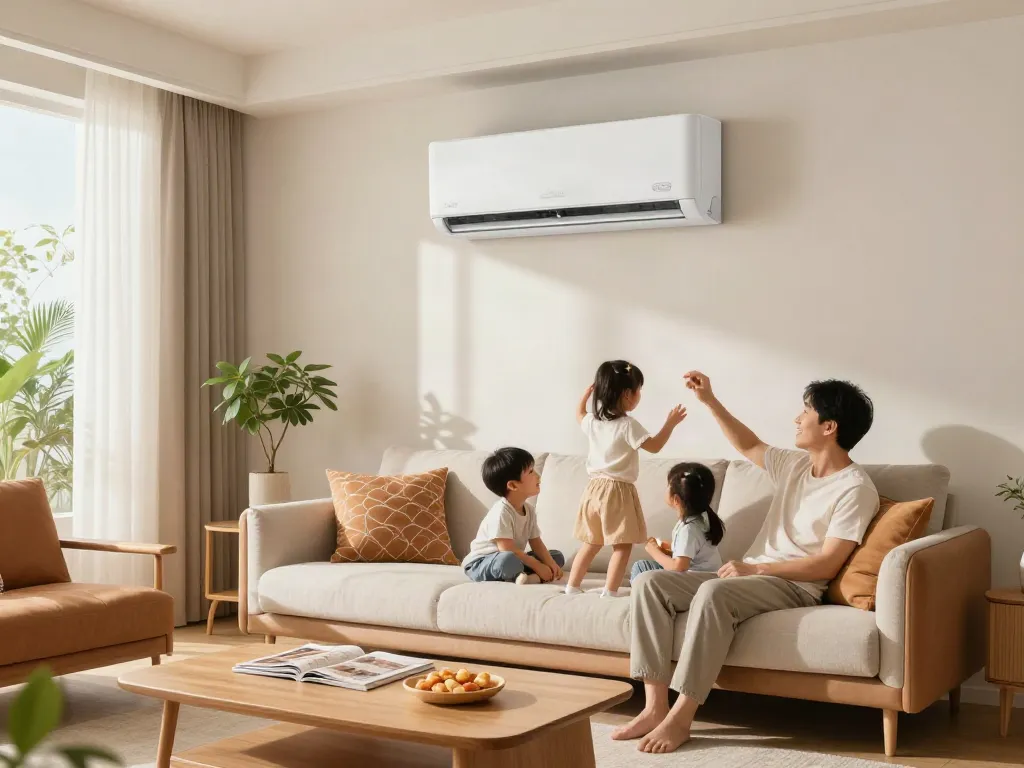
A mini split air conditioner is a type of ductless HVAC system that provides both cooling and heating to individual rooms or spaces without the need for extensive ductwork. These systems consist of two main components: an outdoor unit, which houses the compressor and condenser, and one or more indoor units installed within the living space. The indoor units are typically mounted on walls or ceilings and are connected to the outdoor unit via refrigerant lines. This design allows for efficient temperature regulation, making them ideal for both residential and commercial applications.
How Mini Splits Compare to Traditional HVAC Systems
When comparing mini splits to traditional HVAC systems, there are several factors to consider. Traditional systems often rely on ductwork, which can lead to energy losses of up to 30%. In contrast, mini splits eliminate duct losses, making them more energy-efficient. Additionally, mini splits allow for zoned heating and cooling, giving users control over different areas of their home. This feature is particularly beneficial in larger spaces or homes with varying temperature preferences. Furthermore, mini splits operate more quietly than traditional systems, enhancing overall comfort.
Key Components of a Mini Split System
Understanding the components of a mini split system is essential for making an informed purchase. The main parts include:
- Outdoor Unit: Contains the compressor and condenser; responsible for heat exchange.
- Indoor Unit(s): Distributes cooled or heated air into the living space; available in various styles like wall-mounted, ceiling-mounted, or floor-mounted.
- Refrigerant Lines: Transfer refrigerant between the indoor and outdoor units; insulated to maintain efficiency.
- Remote Control: Allows users to adjust settings like temperature and fan speed from a distance.
- Drain Line: Removes condensation produced during cooling, preventing moisture build-up.
Benefits of Using Mini Split Air Conditioners
Energy Efficiency and Cost Savings
One of the most significant advantages of mini split air conditioners is their energy efficiency. According to the U.S. Department of Energy, ductless systems can save homeowners approximately 30% on their energy bills compared to traditional systems. The SEER (Seasonal Energy Efficiency Ratio) ratings for mini splits often exceed those of conventional units, meaning they provide more cooling per watt. Moreover, advanced features such as inverter technology help in adjusting the compressor speed according to the cooling demand, ensuring that energy consumption remains low.
Flexible Installation Options for Homes
Mini splits offer unparalleled flexibility in installation. Their ductless design eliminates the need for invasive construction, making them suitable for residential and commercial renovations. Homeowners can easily install multiple indoor units connected to a single outdoor unit, allowing for customized setups. This is particularly advantageous for older homes that do not already have ductwork in place. Furthermore, mini splits can be installed in areas where traditional HVAC systems would be impractical, such as in attics or garages.
Improved Air Quality and Comfort Levels
Indoor air quality can significantly impact health and comfort. Mini splits often include advanced filtration systems that can remove dust, allergens, and other pollutants from the air. Additionally, these systems regulate humidity levels effectively, preventing discomfort associated with overheating or excessive moisture. With a mini split air conditioner, homeowners can maintain a consistent and comfortable temperature throughout their living spaces, enhancing overall well-being.
Choosing the Right Mini Split System
Factors to Consider When Selecting a System
Selecting the right mini split system involves considering several factors, including:
- Size of the Area: Measure the space you wish to cool or heat; units come in various capacities measured in BTUs (British Thermal Units).
- Energy Efficiency Ratings: Look for systems with high SEER ratings for optimal energy savings.
- Noise Levels: Consider how quiet the indoor and outdoor units operate to ensure comfort.
- Installation Requirements: Assess your home’s layout to determine if additional modifications are needed for installation.
- Brand Reputation: Research brands known for reliability and customer service.
Understanding BTU Needs for Your Space
Determining the correct BTU needs for your space is vital for achieving optimal efficiency and comfort. As a rule of thumb, larger spaces require higher BTU ratings. Here's a quick guide to help you:
- Rooms under 150 sq. ft.: 5,000 - 6,000 BTUs
- Rooms between 150 - 250 sq. ft.: 6,000 - 7,000 BTUs
- Rooms between 250 - 350 sq. ft.: 7,000 - 8,000 BTUs
- Rooms between 350 - 450 sq. ft.: 8,000 - 10,000 BTUs
- Rooms over 450 sq. ft.: 10,000 BTUs and above
Top Brands and Models to Consider for 2026
As the mini split market continues to expand, several brands consistently offer reliable and innovative systems. Some of the top brands in 2026 include:
- Daikin: Renowned for its energy-efficient models and cutting-edge technology.
- Mitsubishi: Offers a wide variety of ductless systems with excellent performance ratings.
- Friedrich: Known for durable products and advanced features, ideal for commercial and residential applications.
- Senville: Provides cost-effective options that don’t compromise on quality.
- LG: Combines sleek designs with smart technology for a modern touch.
Installation and Maintenance Tips
Professional vs. DIY Installation: Pros and Cons
When it comes to installation, homeowners often face the choice between hiring a professional or attempting a DIY installation. Professional installation ensures that the system is set up correctly, adhering to all local codes and standards. Additionally, certified installers often provide warranties on their work. However, DIY installation can save on labor costs and may be suitable for those with handyman skills. It's crucial to weigh the pros and cons based on your comfort level and technical expertise.
Essential Maintenance Tips for Longevity
To ensure your mini split system operates efficiently for years to come, regular maintenance is essential. Here are some tips:
- Clean or replace the air filters monthly to optimize airflow and air quality.
- Inspect the outdoor unit for debris or obstructions, such as leaves or dirt.
- Schedule professional maintenance at least once a year to check refrigerant levels and system performance.
- Inspect drain lines periodically to prevent clogs and water damage.
Common Issues and How to Troubleshoot
Even with regular maintenance, issues can arise. Some common problems include:
- Inadequate Cooling/Heating: Check for blocked air filters or refrigerant leaks.
- Unusual Noises: Listen for strange sounds that may indicate a loose part or mechanical issue.
- Water Leaks: Ensure drain lines are clear and inspect for any damaged components.
If issues persist, it’s advisable to consult a professional technician.
Future Trends in Mini Split Technology
Innovative Features to Look For in 2026
The mini split industry is continuously evolving, with manufacturers focused on enhancing efficiency and user experience. Some innovative features to look for in 2026 include:
- Enhanced Wi-Fi Capabilities: Smart integration for remote control via smartphones or smart home systems.
- Advanced Filtration Systems: Improved air purification technologies for better indoor air quality.
- Energy Recovery Ventilation: Systems that improve air exchange while maintaining temperature control.
Smart Technology Integration with Mini Splits
Smart technology continues to revolutionize how homeowners interact with their HVAC systems. Mini splits equipped with smart features enable users to monitor energy consumption, adjust settings remotely, and even receive alerts for maintenance needs. This integration not only enhances convenience but also promotes greater energy savings.
Predicted Market Growth and Developments
The mini split market is expected to experience substantial growth over the coming years, driven by increasing demand for energy-efficient solutions and rising awareness of indoor air quality. As more consumers seek eco-friendly options to combat climate change, manufacturers are likely to invest in research and development to innovate and improve their product lines.
What Makes Mini Splits Efficient for Future Homes?
As energy regulations become stricter and consumers demand more sustainable options, mini splits are poised to become a mainstay in modern homes. Their ductless design, combined with energy-efficient technology, aligns perfectly with the future vision of more environmentally friendly living. By selecting a mini split system today, homeowners can invest in a solution that not only enhances comfort but also contributes to a healthier planet.