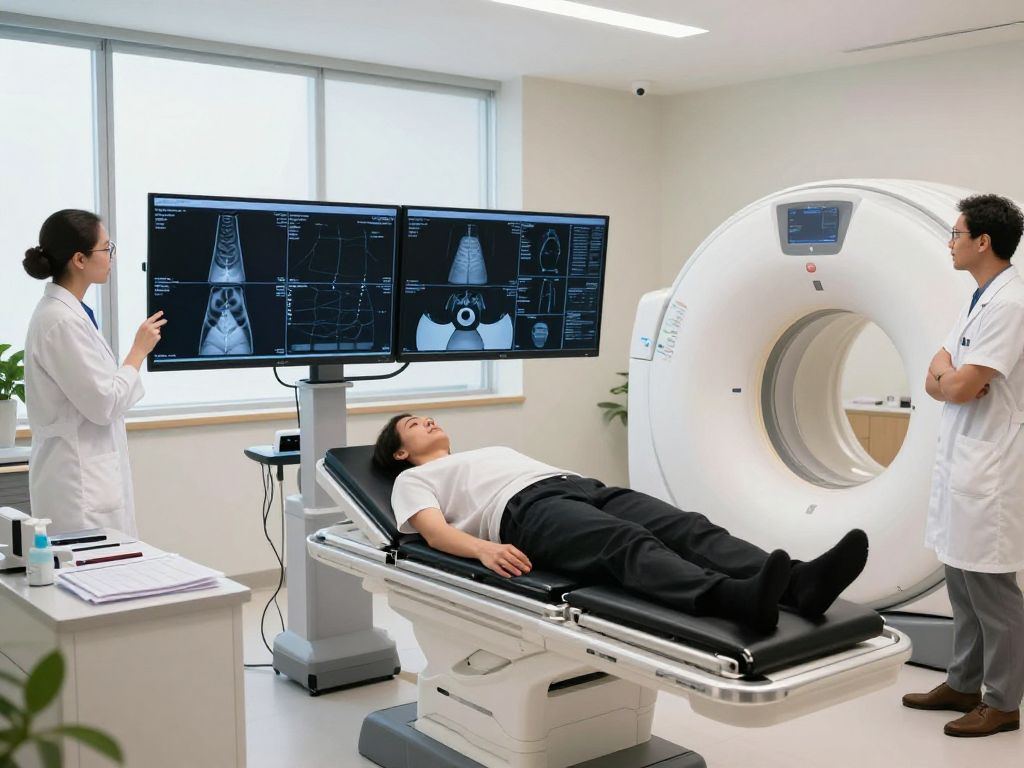
Understanding Interventional Radiology
Interventional radiology is a rapidly evolving field of medicine that utilizes imaging technologies to guide minimally invasive surgical procedures. Unlike traditional surgical methods that often require large incisions, interventional radiology techniques involve small punctures or incisions, making recovery faster and reducing the risks associated with surgery. In the UAE, the demand for qualified interventional radiologist UAE is growing, as patients seek alternatives to conventional surgical approaches.
What is Interventional Radiology?
Interventional radiology is a subspecialty of radiology that focuses on performing minimally invasive procedures using image guidance such as X-rays, CT scans, MRIs, and ultrasounds. It encompasses various techniques, including angioplasty, stenting, embolization, and biopsies, all aimed at diagnosing and treating a wide range of conditions.
Key Procedures Conducted by Interventional Radiologists
- Angioplasty and Stenting: These procedures are used to open blocked blood vessels, improving blood flow and reducing the risk of heart attacks or strokes.
- Embolization: This technique involves blocking blood vessels to treat conditions such as tumors or aneurysms.
- Image-Guided Biopsies: Radiologists use imaging technology to accurately target and extract tissue samples for diagnostic purposes.
- Drainage Procedures: Interventional radiologists can place catheters to drain fluid collections, such as abscesses or cysts.
The Role of Imaging in Diagnosis and Treatment
High-quality imaging is at the heart of interventional radiology. Radiologists rely on advanced imaging techniques not only for diagnosis but also for real-time guidance during procedures. This allows for precise navigation within the body, increasing the safety and effectiveness of treatments.
Common Myths About Interventional Radiology
Myth 1: Only for Emergency Situations
Many people believe that interventional radiology is applicable only in emergencies. However, many procedures are planned and elective, aiming to improve patient outcomes without the need for extensive surgical intervention.
Myth 2: Risks Outweigh the Benefits
While, like all medical procedures, interventional radiology carries some risks, the benefits often far outweigh them. With lower complication rates compared to traditional surgery, effective pain management, and shorter recovery times, many patients find that interventional methods enhance their quality of life.
Myth 3: Limited to Specific Conditions
Interventional radiology is versatile and can treat a wide array of conditions across different organs, including the vascular system, kidneys, liver, and more. Its adaptability makes it a valuable option for many patients with varying healthcare needs.
The Importance of Choosing a Qualified Interventional Radiologist in UAE
Factors to Consider: Qualifications and Experience
When selecting an interventional radiologist, consider their qualifications, training, and experience in the specific procedures you may need. A well-trained specialist will have completed rigorous residency and fellowship training, ensuring they are equipped to provide the best care.
How to Find the Right Specialist for Your Needs
Look for referrals from your primary care physician or other specialists. Another useful approach is to search for healthcare facilities known for their exceptional interventional radiology departments. Online patient reviews and testimonials can also provide insight into a radiologist's expertise and patient care quality.
Patient Reviews and Testimonials: What to Look For
Focus on patient feedback regarding their satisfaction with the procedures, recovery experiences, and the clarity of communication with their radiologist. Positive testimonials can indicate a strong track record of effective patient care and successful outcomes.
Future Trends in Interventional Radiology
Advancements in Imaging Technology
The future of interventional radiology is promising, with advancements in imaging technology significantly improving the precision and effectiveness of procedures. Innovations such as enhanced 3D imaging and artificial intelligence will likely lead to better patient outcomes and streamlined workflows in interventional suites.
Predictive Analytics and Customized Treatments
Emerging trends in data analytics are poised to revolutionize interventional radiology. By analyzing large datasets, interventional radiologists can better predict patient responses and customize treatment plans tailored to individual needs, improving overall care quality.
The Outlook for Interventional Radiology in 2026
By 2026, interventional radiology is expected to grow rapidly, integrating more advanced technologies and procedures into routine practice. This will not only improve accessibility and outcomes for patients but also foster a shift toward preventive care through early diagnosis and intervention.
Frequently Asked Questions
What Conditions Can Be Treated by an Interventional Radiologist?
Interventional radiologists can manage various conditions, including vascular diseases, cancer, chronic pain, and gastrointestinal disorders, among others.
Are Interventional Procedures Painful?
Most interventional procedures are performed with local anesthesia, sedation, or general anesthesia, which helps minimize discomfort. Patients typically experience only mild discomfort during or after the procedure.
How Long is the Recovery Time After an Interventional Procedure?
Recovery times vary depending on the type of procedure, but many patients can return to normal activities within a few days to a week. Follow-up care is essential for monitoring recovery progress.
Is Insurance Coverage Available for Interventional Radiology?
Many insurance plans cover interventional radiology procedures, although coverage can differ significantly. Patients should check with their insurance provider to understand their policy details.
What Should I Expect During My First Appointment?
During your first appointment, the interventional radiologist will review your medical history, discuss your symptoms, and perform necessary imaging tests. This initial consultation is crucial for developing an appropriate treatment plan.